Written by Andrew Fraser- Sr. GP Consultant
Prism is an application developed by KTL Solutions that supports blended bill of material production for a single finished good unit. Several plastics manufacturers currently use the system across more than 50 plants throughout the United States and Canada.
The application includes three primary production step types: Extrusion, Printing, and Conversion. Each step uses defined blends as a bill of material. Prism serializes production outputs, assigns unique lot numbers to each pallet, and tracks the consumption of raw materials and packaging items. This blog provides an overview of the Quality Assurance features available in Prism.
Lot Release
Prism can require finalized pallets to go through a lot release process. When production finalizes a pallet, Prism places the pallet in a QA hold status. The pallet cannot ship until an authorized user reviews and releases the lot.
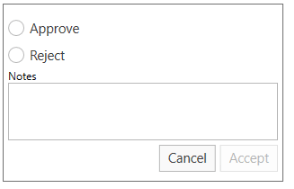
Accept and Reject
Users can open and review a grid of produced lots. Based on QA settings and item configuration, users can approve or reject items and attach notes to document inspection results and quality decisions.
Saving Changes
Users must save changes to confirm modifications. If they do not want to keep the updates, they can clear the changes instead. Prism records saved changes in auditing tables, allowing users to review modification history when needed.
Forms and Reporting
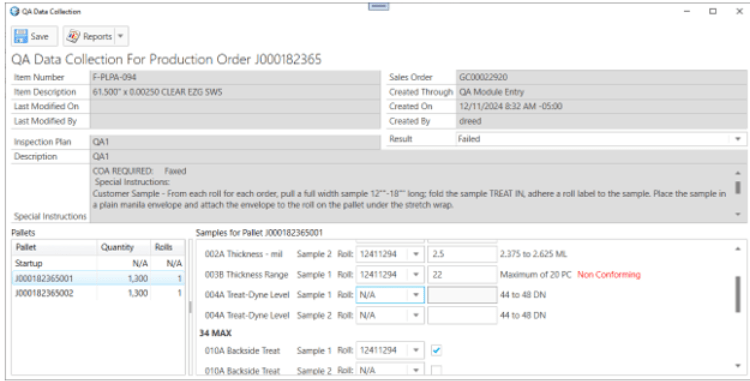
The Prism Quality Assurance module includes forms for collecting QA sampling data at various points throughout the production process. Administrators can define data points and collection intervals through the data collection configuration settings.
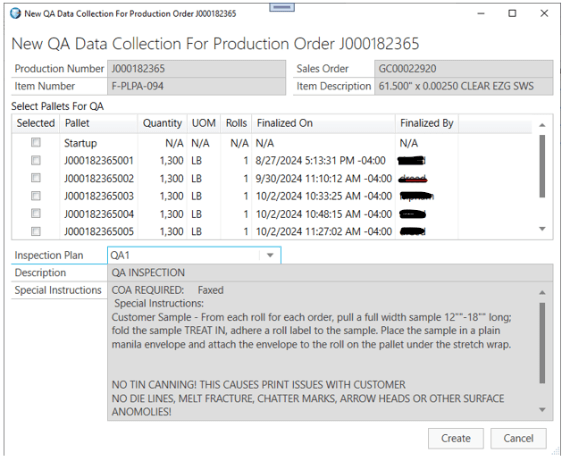
After users configure QA data points and collection intervals, they can collect data through the QA forms and generate reports for analysis and review.
Conclusion
Prism is an application developed by KTL Solutions for blended bill of material production environments. The system supports Extrusion, Printing, and Conversion processes while providing detailed lot tracking and material traceability.
The Quality Assurance module helps organizations manage lot releases, record inspection results, collect QA sampling data, and maintain audit trails. Together, these features provide manufacturers with the tools needed to track quality statistics and inspection metrics throughout the production process.